
7 Career Lessons from a Sports Media and Sports Betting Partnerships Leader | HireEdge Careers Unlocked
Oct 12, 2026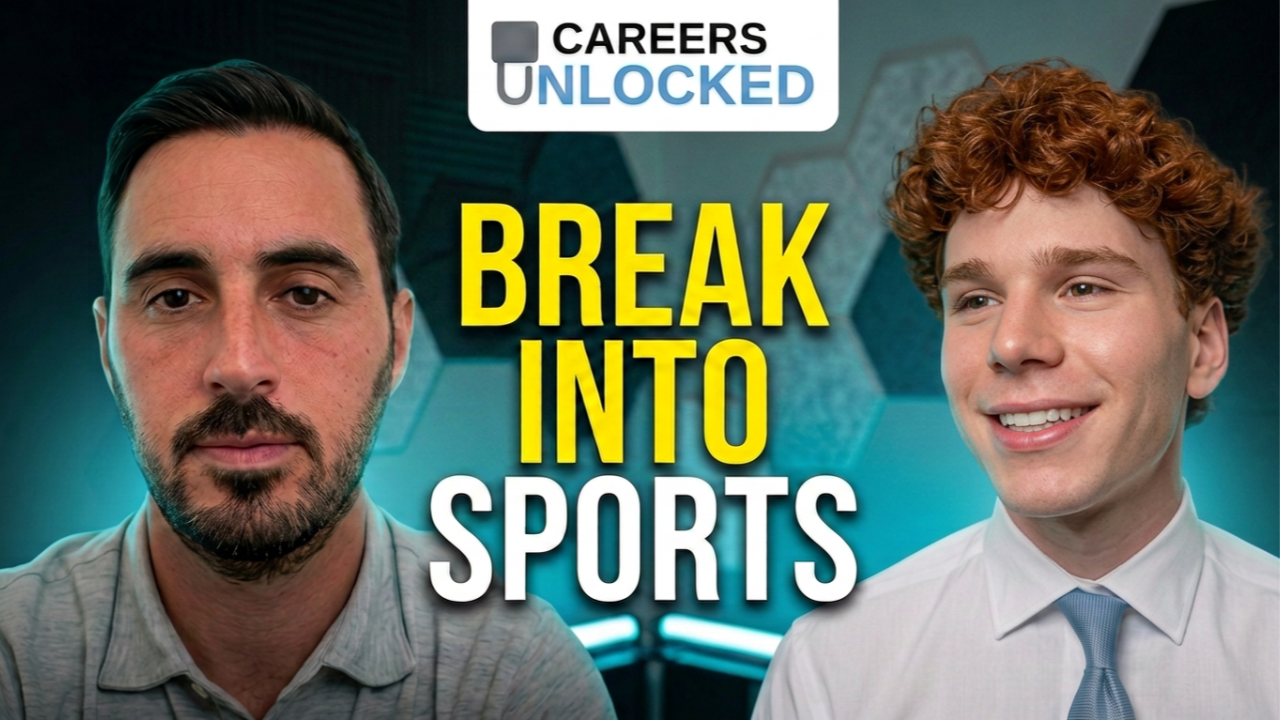
This post is part of our Careers Unlocked series, where we talk to professionals across industries about their career paths and advice for college students and grads entering the job market. Watch the full episode with sports business leader Sean Bulvanoski here: Sean Bulvanoski on Careers Unlocked.
Sean Bulvanoski has spent over a decade in sports business, including four years at Gen Z sports media company Whistle Sports and more than six years leading strategic partnerships at BetMGM, working with brands like Buffalo Wild Wings, Marriott, and Yahoo Sports.
Here are seven takeaways from our conversation with him.
- An unrelated elective can redirect your entire career. Bulvanoski started college planning to pursue creative writing. A single sports marketing class, taught by a pioneering former NBA/NHL team president, changed his trajectory entirely — a reminder that exploring outside your declared major can reveal paths you didn't know existed.
- A late start doesn't mean you're behind for good. Bulvanoski switched into sports business partway through college, later than classmates who'd planned for it from day one. He says it worked out in his favor regardless, even without the head-start internships some peers had.
- You don't need to be a superfan to work in sports. Bulvanoski says the real requirement isn't obsessive fandom. It's understanding what makes competition and sports uniquely compelling as entertainment, and why that matters to the brands and consumers you're working with.
- Execution is where concepts actually get tested. Reflecting on a Super Bowl 50 campaign he helped produce, Bulvanoski describes how a great creative idea required solving dozens of unglamorous logistical problems — production crews, stadium signage, tight deadlines — that never show up in the original pitch.
- Soft skills often develop on the job, not before it. Bulvanoski is candid that his early professional strength was diligence, not communication or relationship-building. Those skills came later, sometimes through direct, uncomfortable feedback after early missteps.
- AI is best used to eliminate busywork, not judgment. Bulvanoski uses AI to handle tasks like meeting notes and pre-call briefs, freeing up time for strategic thinking. He believes the people who ask AI the right questions and treat it as a collaborator, not a replacement, will hold the most value going forward.
- Think past your first job when planning your career. Bulvanoski's advice to graduates: don't just optimize for getting into the industry you want. Consider where a given role might take you five or ten years out, including questions about location, travel, and the life you actually want to build because early decisions can be harder to reverse later.
Want more career advice from professionals across industries? Check out the full Careers Unlocked series on the HireEdge YouTube channel.
